

Helping You Take away the Property Development confusion
Residential property development can feel complex, especially when navigating finance, feasibility, and risk. I understand the challenges developers face — from structuring the right funding and managing cash flow to understanding tax implications, margins, and long-term strategy. My goal is to provide clear education and expert advice, so you can make informed, confident decisions that support successful developments and sustainable growth.
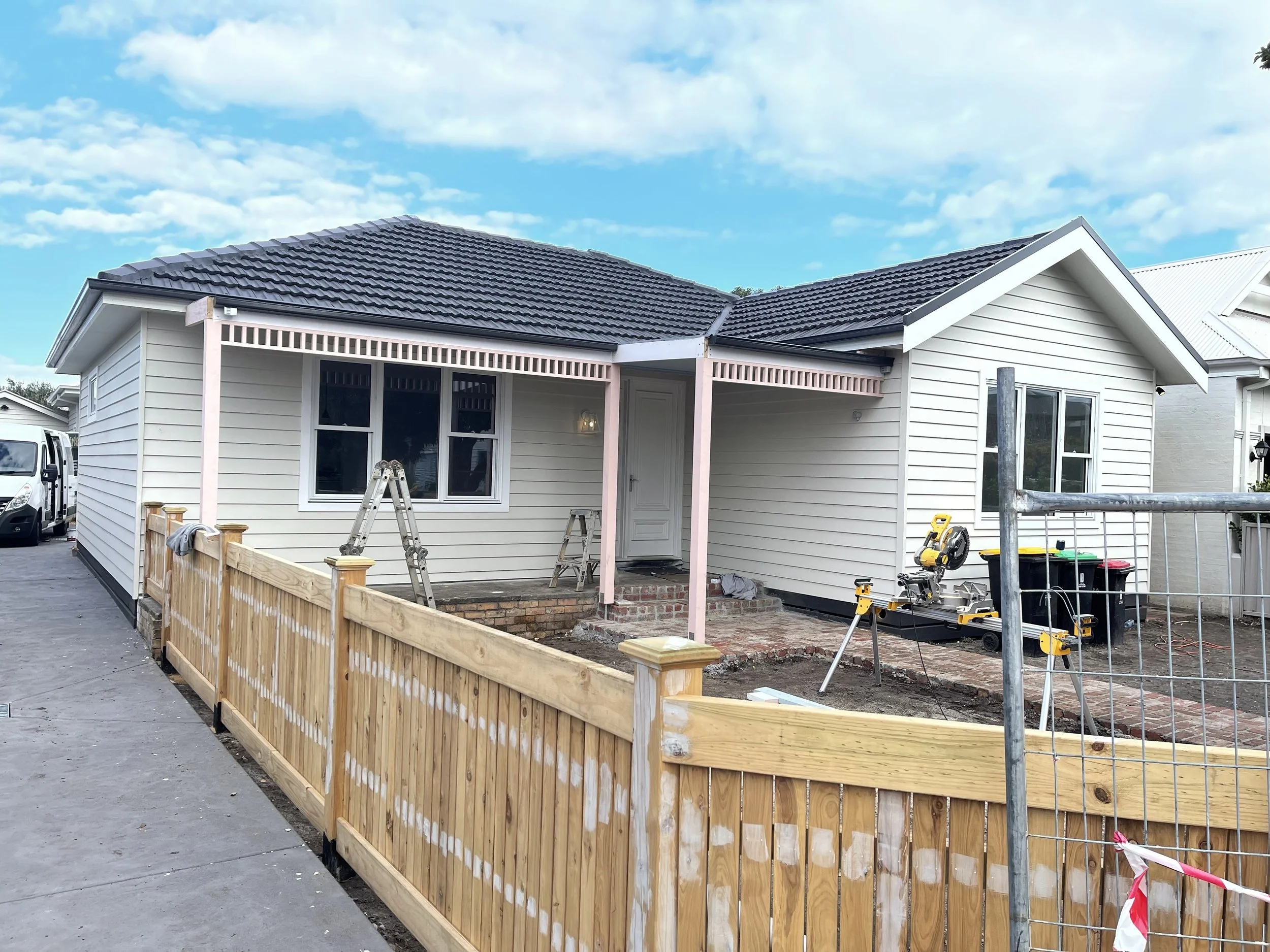
Our property development service
Mortgage pre-approval and lending guidance
Detailed reviews of your borrowing capacity and budget planning
Step-by-step education on the residental development process
Guidance on local government planning zones and controls
Clear strategies to make your residential development project opportunity understood with clarity.
Empowering you with the resources to excel
-
The Residential Development Guide delivers in-depth education, simplifies the development process, and equips developers to make confident, informed decision, ultimately driving successful, profitable project outcomes.
-
The Multi-Lot Development Guide delivers in-depth knowledge, simplifies the intricacies of subdivision and project management, and equips developers to navigate regulatory, financial, and construction challenges with confidence, ensuring profitable and compliant outcomes.
-
Description text goes hereA knockdown rebuild enables investors to replace an aging property with a brand-new home designed to meet current market demands. This approach maximizes land value, lowers ongoing maintenance expenses, and enhances both rental income potential and resale appeal. It’s an effective strategy to unlock equity, improve returns, and future-proof your investment portfolio.
State Goverment Planning and Zoning Links
A thorough understanding of state and local government zoning and planning regulations is essential for successful property development. These controls dictate what can be built, where, and under what conditions. Being informed from the outset helps you avoid costly delays, optimise development potential, and ensure full compliance — transforming your vision into reality with confidence and council approval. For your convenience, links to each state’s planning resources are provided below to support you on your development journey -
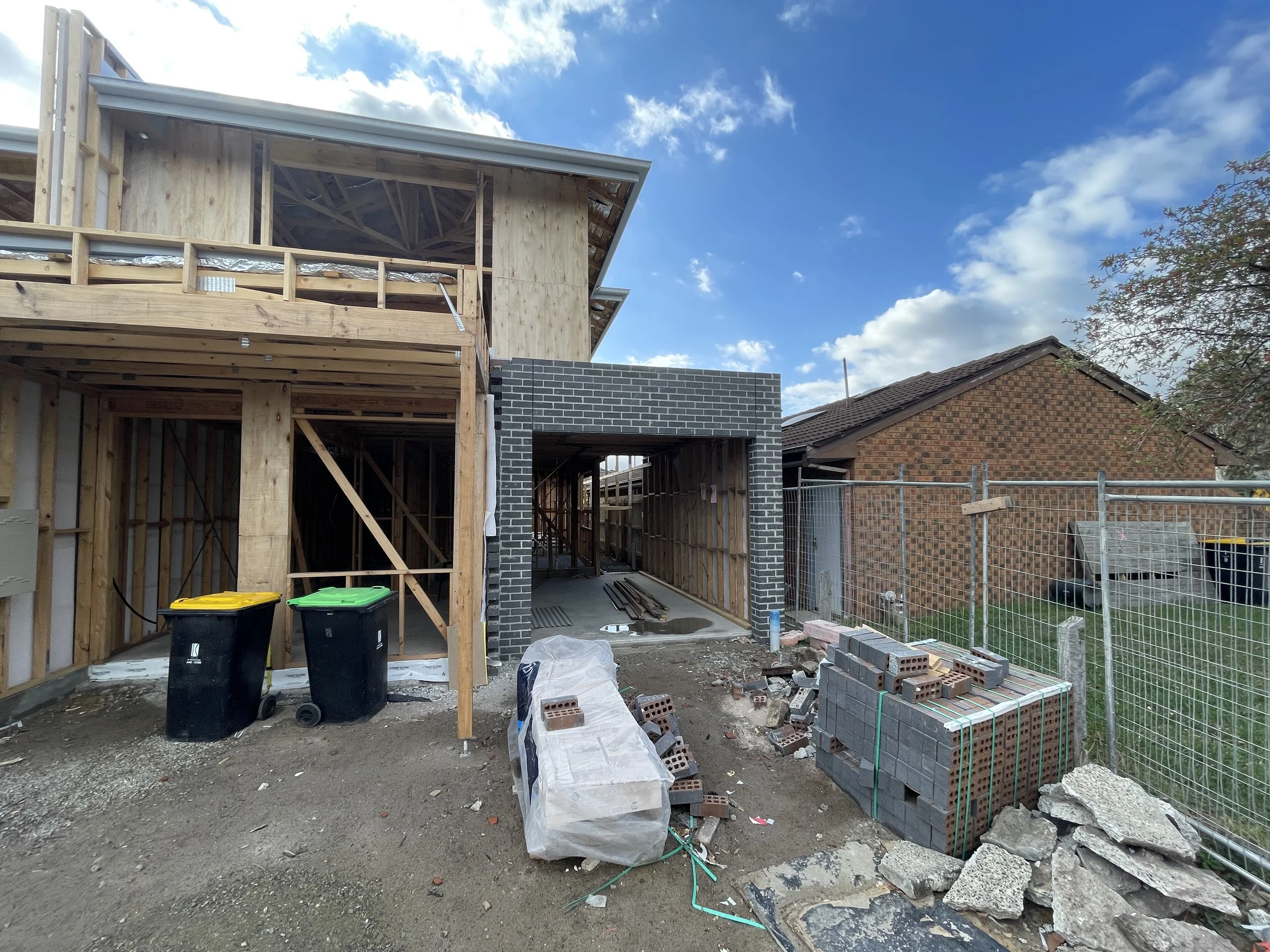
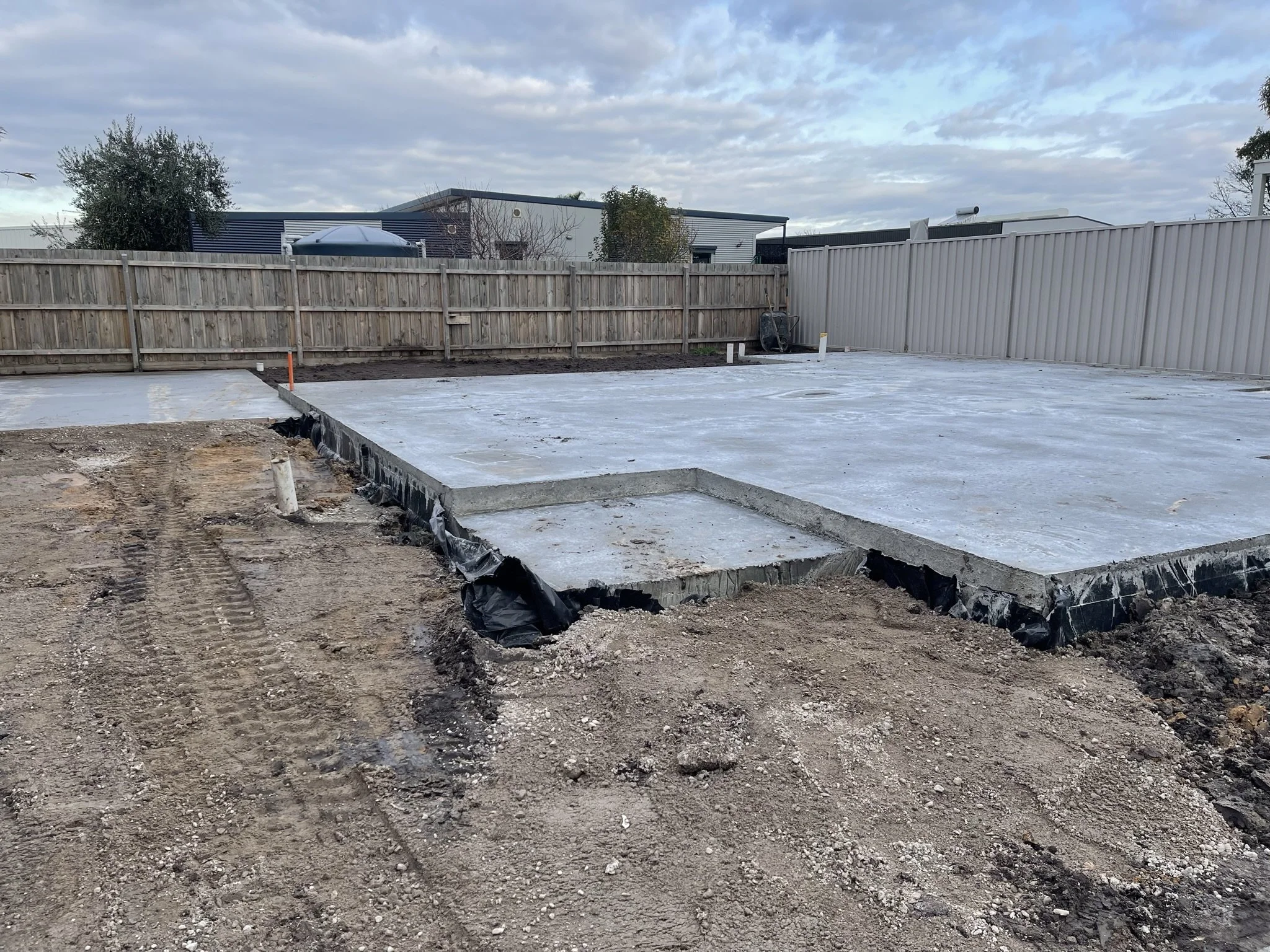
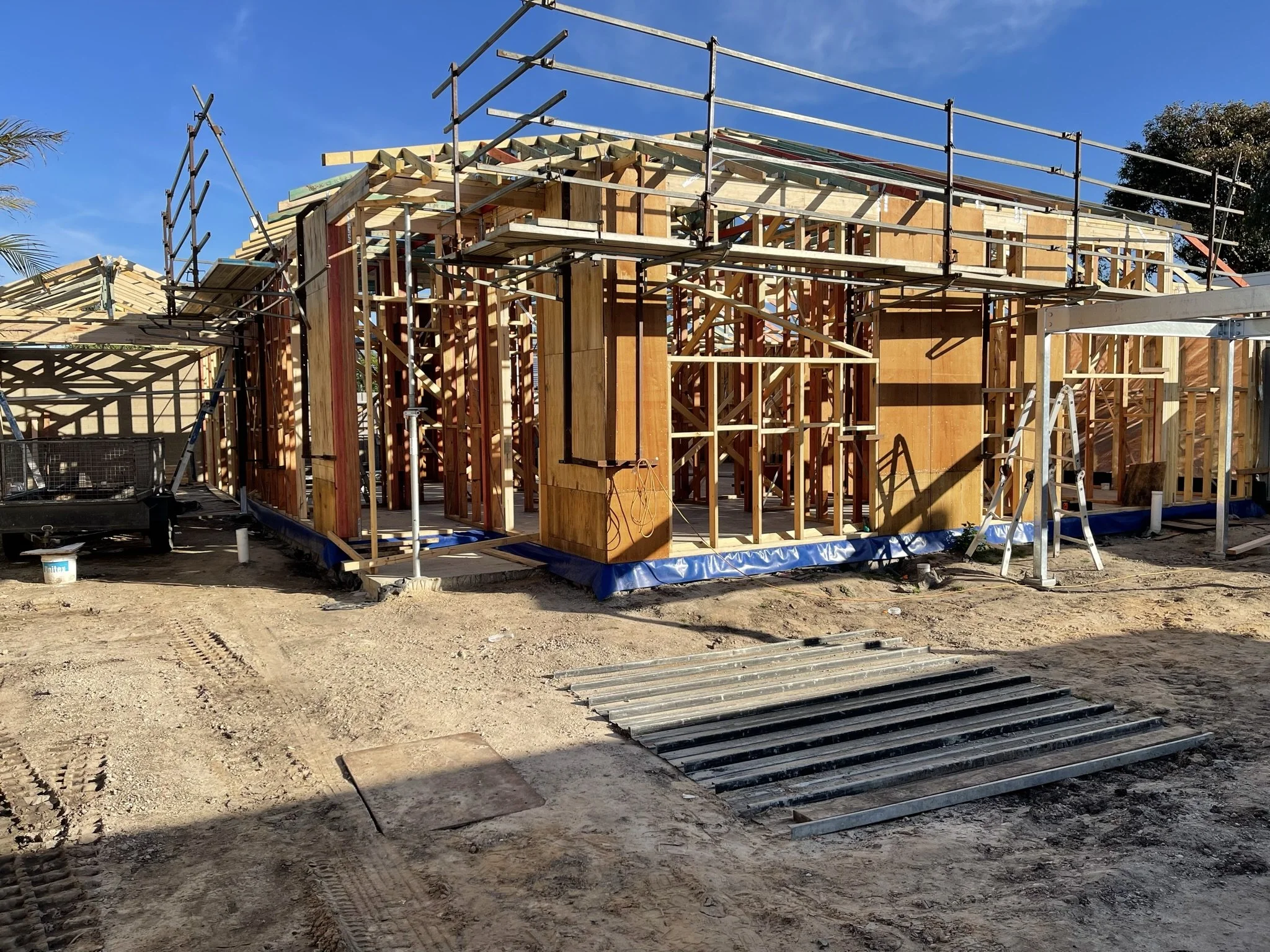
Strategic Support for Developers
From feasibility to funding, we help turn residential sites into successful outcomes.
FAQs
-
Rod Peirce and his team helps clients understand Residential property development and how it involves purchasing land or existing dwellings and adding value through subdivision, new builds, knockdown-rebuilds, or multi-lot projects. It requires planning approvals, construction management, and financial structuring to deliver a profitable outcome. Development can range from a single townhouse to large multi-unit complexes. Success depends on thorough feasibility studies, regulatory compliance, and careful project management across design, construction, and sales stages.
-
A planning permit is issued by the local council and confirms your project complies with zoning, overlays, and neighbourhood character guidelines. A building permit, issued by a registered surveyor, confirms construction meets the National Construction Code (NCC) and Australian Standards. In many developments, you need both permits: planning to confirm land use and building to ensure construction safety, compliance, and quality before work can begin.
-
The right site depends on zoning, size, overlays, access to services, and market demand. Proximity to schools, transport, and amenities drives buyer or tenant interest. Council planning maps should be checked for restrictions like flood overlays, heritage, or easements. Feasibility analysis compares purchase costs, build costs, and potential sale values to ensure profitability. Professional advice from town planners, surveyors, and brokers helps minimise hidden risks.